

David Charbonneau
Fred Kavli Professor of Astrophysics
Chair of the Department of Astronomy
Harvard University
Bio

I am the Fred Kavli Professor of Astrophysics, Chair of the Department of Astronomy at Harvard University, and an astronomer at the Center for Astrophysics | Harvard-Smithsonian.
My research goals are to detect and characterize planets orbiting other stars; these worlds are known as exoplanets. I am fascinated by planets in edge-on orbits, such that the planet periodically passes in front of its star. These systems offer unparalleled opportunities to determine the properties of the planet and its atmosphere. I am focusing on terrestrial exoplanets, worlds that are composed of rock and iron, which may possess thin atmospheres like that of the Earth. I am also intrigued by the physics of low-mass stars: I seek to understand how they generate magnetic fields and spin down with time, and what the resulting changes in their x-ray emission and flares mean for the atmospheres of their planets.
I enjoy working with students and postdoctoral fellows to develop new methods and facilities in pursuit of these goals. I lead the MEarth Project, I am a co-investigator in the NASA TESS Mission and the HARPS-N Spectrograph, and I am engaged in the conversion of the 1.3m telescope atop Mt. Hopkins, Arizona into an automated ultra-precise photometer known as Tierras. I recently co-chaired the National Academies’ Exoplanet Science Strategy, which describes a national strategy for the study of exoplanets and the search for life upon them. I currently co-chair the Community Science and Instrument Team of the NASA Habitable Worlds Observatory, assisting in identifying the driving science goals of HWO.
Prospective Graduate Students: I am always looking for new PhD students. I receive many email inquiries and can’t usually respond but I encourage you to apply to our program.
Current Projects
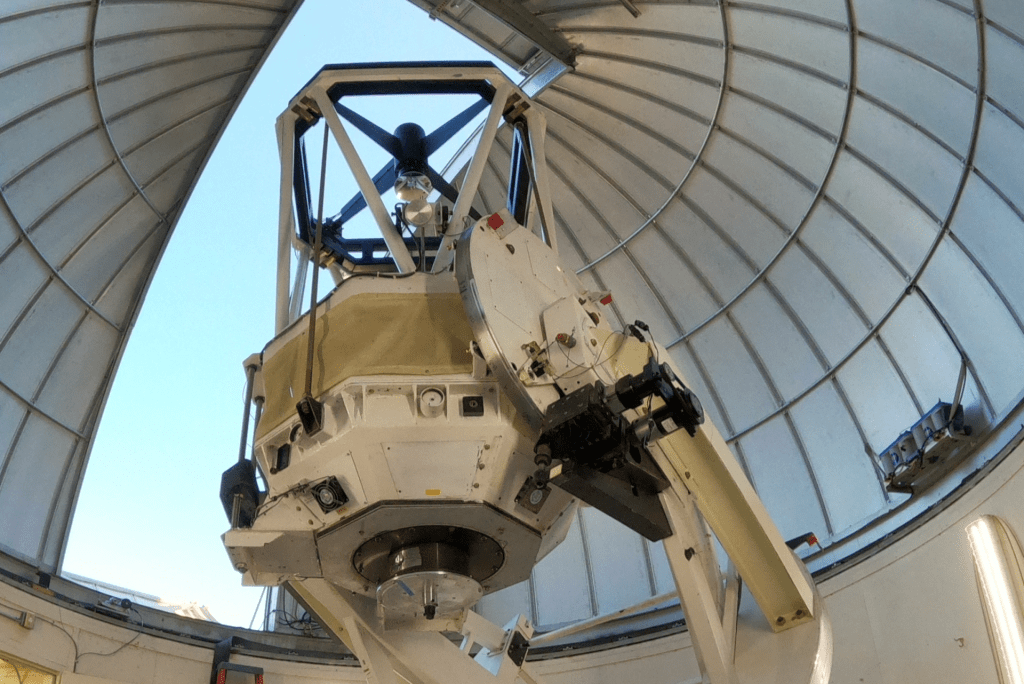
Tierras
The Tierras Observatory is a new ultra-precise, fully automated photometric observatory located atop Mt. Hopkins, Arizona.
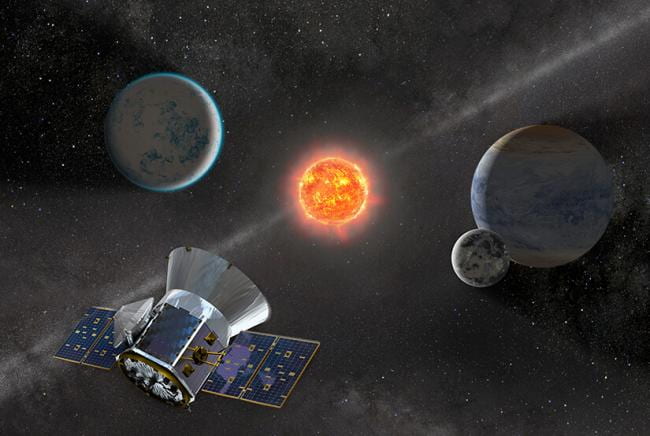
TESS
The NASA Transiting Exoplanet Survey Satellite (TESS) is a space observatory looking for exoplanets around 200,000 nearby bright stars.

NASA Habitable Worlds Observatory
I co-Chair the HWO Community Science and Instrument Team, toward Mission Concept Review by 2029.
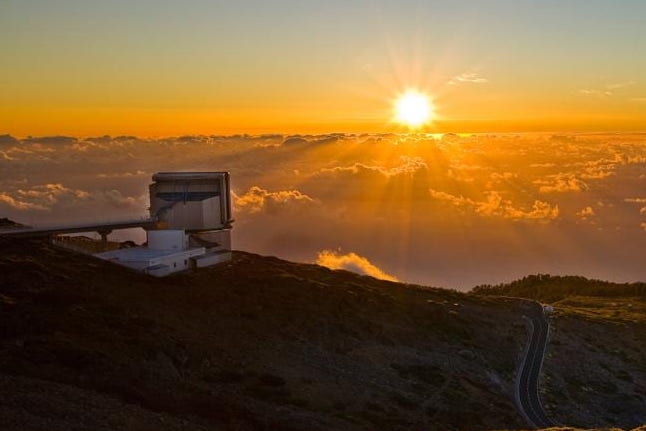
HARPS-N
The High Accuracy Radial Velocity Planet Searcher-North (HARPS-N) monitors exoplanets to determine their masses and compositions.
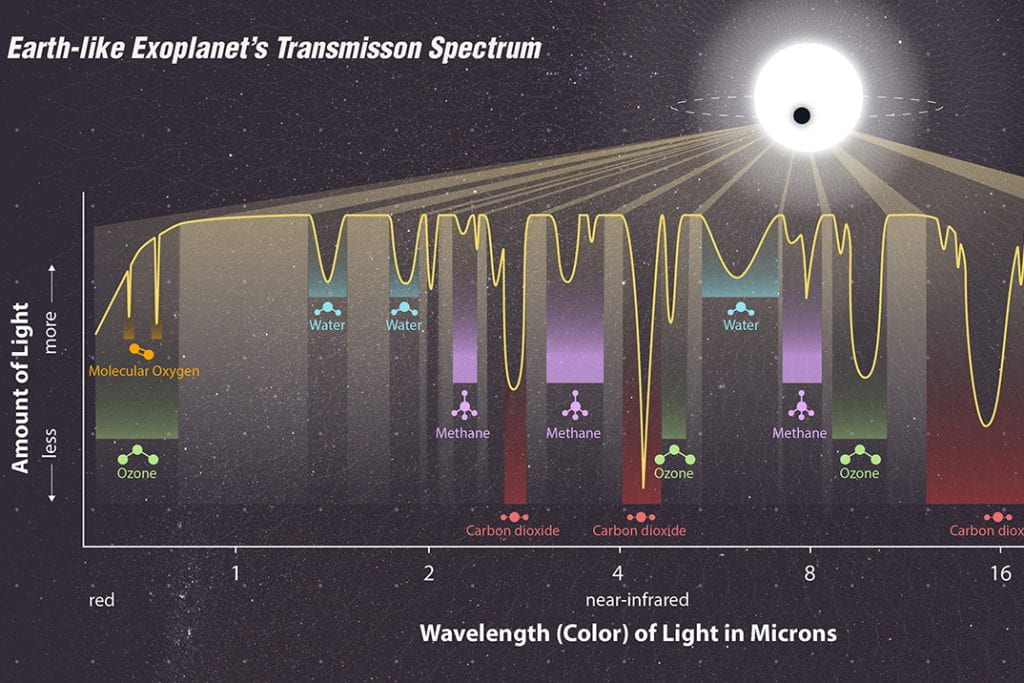
Planetary Atmospheres
The NASA JWST & Hubble telescopes and the Magellan ground-based observatories probe exoplanet atmosphere chemical composition.
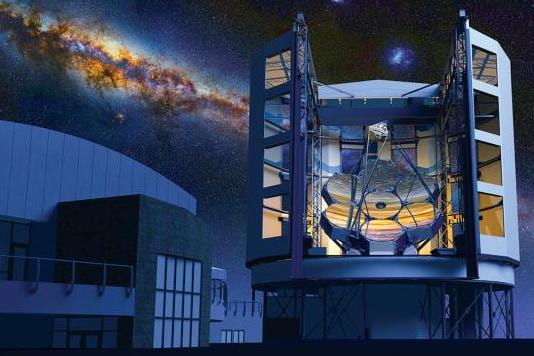
Giant Magellan Telescope
The 25.4-meter GMT is currently under construction in Chile and will allow unprecedented studies of exoplanets.